
An RCD, commonly called a safety switch, helps protect people from electric shock by quickly cutting power when it detects a dangerous electrical fault. Testing the device regularly helps confirm that it is operating correctly.
If you want to know how to test an RCD, the basic process is simple: locate the RCD on your switchboard, press the test button, confirm that the protected power turns off, and then reset the switch.
For Melbourne homeowners, it is also important to understand the difference between a basic push-button check and professional RCD testing.
How to Test an RCD at Home
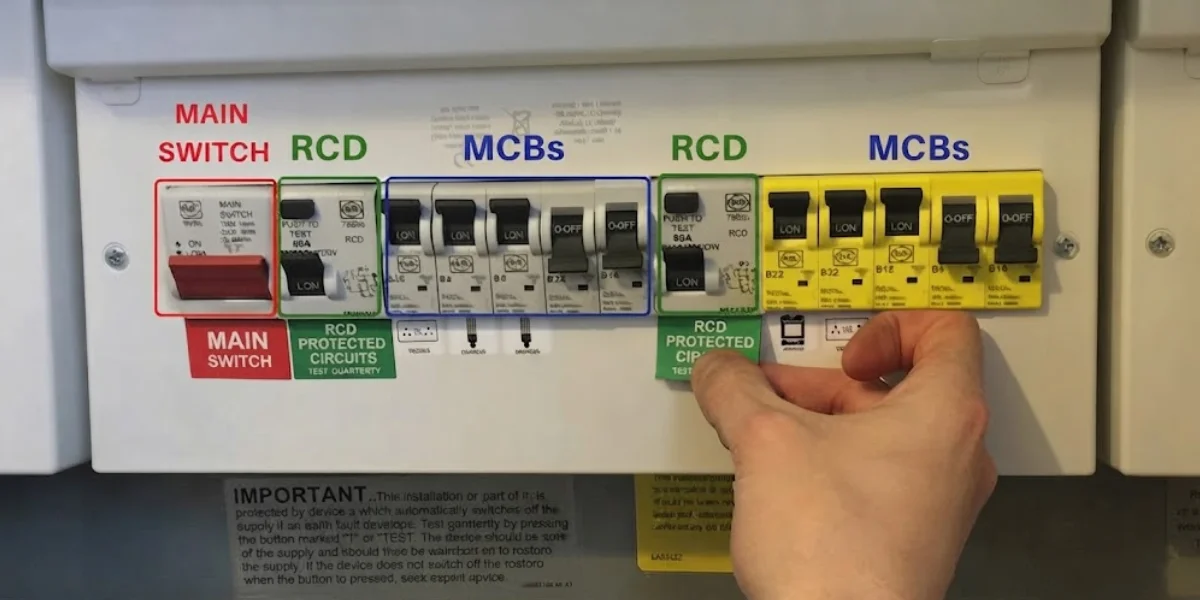
A basic RCD test can be performed using the test button on the device. Energy Safe Victoria recommends regularly checking safety switches and explains that pressing the test button should trip the switch and interrupt power to the protected circuit.
1. Locate the RCD on Your Switchboard
Find your home’s electrical switchboard and look for a safety switch or RCD with a button marked T or Test.
There may be more than one safety switch protecting different circuits, so identify each one before testing.
2. Turn Off Sensitive Electrical Equipment
Testing an RCD will interrupt power to the circuit it protects. Before starting, let everyone in the home know you are testing the switch and turn off sensitive equipment such as computers and other devices that could be affected by a power interruption.
3. Press the RCD Test Button
Press the button marked T or Test on the RCD.
The device should trip and move to the OFF position. This is the basic electrical safety switch test and confirms that the RCD responds to its test function.
4. Check That the Power Has Turned Off
Check the lights, appliances and power points connected to the protected circuit.
The power should be disconnected. If the RCD trips but the protected circuit remains powered, stop using the circuit and arrange an inspection by a licensed electrician.
5. Reset the RCD
Once you have confirmed the power has been disconnected, reset the safety switch by moving it back to the ON position.
Power should return to the protected circuit.
If the RCD will not reset or immediately trips again, there may be an electrical fault that needs professional attention.
What Should Happen When You Test an RCD?
When you press the RCD test button, the device should operate and disconnect power from the circuit it protects.
A successful basic test means:
- The RCD trips when tested
- Power is disconnected from the protected circuit
- The switch can be reset
- Power returns after resetting
Energy Safe Victoria states that a safety switch can disconnect power within milliseconds when it detects a problem that may pose a personal safety risk.
The test button is therefore an important part of routine RCD safety switch testing, but it does not replace a complete electrical inspection.
What If Your RCD Is Not Tripping When Tested?
If your RCD is not tripping when tested, do not assume that it is providing protection.
A safety switch that does not operate during the test may be faulty and should be investigated by a licensed electrician. Energy Safe Victoria advises contacting a licensed electrician if the safety switch fails to cut power during testing.
Do not open the switchboard or attempt to repair the RCD yourself.
What If the RCD Keeps Tripping?
An RCD that repeatedly trips during normal use is different from an RCD that fails its test.
Repeated tripping can indicate an electrical fault, damaged wiring, moisture, a faulty appliance or another problem on the protected circuit.
Instead of repeatedly resetting the device, disconnect the suspected appliance if it is safe to do so and arrange an inspection if the problem continues.
How Often Should an RCD Be Tested?
Regular testing helps identify an RCD that may no longer operate correctly.
Energy Safe Victoria’s current guidance provides regular homeowner testing advice, including a recommendation to check safety switches every three months on its Test. Reset. Protect guidance. Another ESV homeowner page advises checking them every year. Because guidance can be updated, homeowners should follow the current ESV advice and the manufacturer’s instructions for their specific device.
The important point is not to install a safety switch and forget about it. Regular testing helps confirm that the device can operate when required.
RCD Testing Requirements in Australia
RCD testing requirements in Australia depend on the type of installation, electrical work being performed and the applicable requirements.
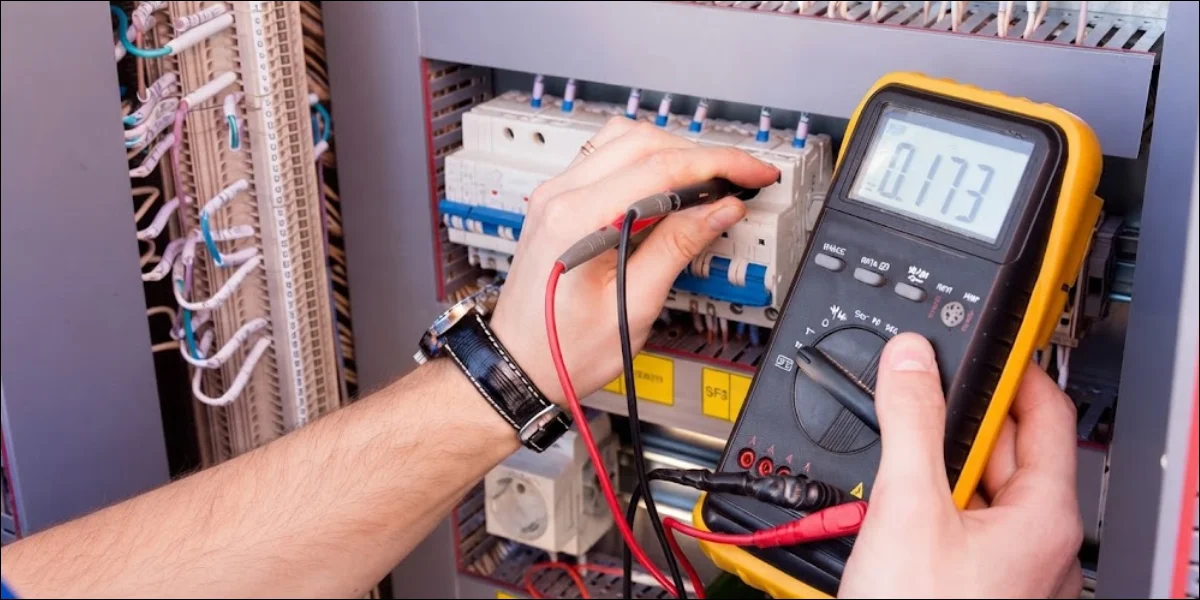
For homeowners, pressing the built-in test button is a basic functional check. Professional testing is different and can involve dedicated testing equipment to assess how the RCD operates.
For example, professional testing can measure RCD trip time and other characteristics that cannot be confirmed simply by pressing the test button. Energy Safe Victoria’s electrical guidance and testing materials distinguish push-button testing from time testing.
Commercial and workplace environments may also have additional inspection, testing and record-keeping requirements depending on the equipment and applicable standards.
RCD Testing for Homes and Businesses in Melbourne
RCD Testing for Melbourne Homes
For residential properties, regular safety-switch checks form part of good residential electrical safety.
This is particularly important in older Melbourne homes where the switchboard or wiring may be outdated. Energy Safe Victoria highlights old switchboards, flickering lights and sparks as signs that electrical wiring may need attention.
If your home does not have appropriate RCD protection, a licensed electrician can assess the switchboard and explain the available options.
RCD Testing for Workplaces and Commercial Properties
Commercial properties may require more than a basic push-button check.
Professional RCD testing Melbourne services can include testing with specialised equipment, checking operating times and documenting test results where required.
The correct testing schedule depends on the workplace, equipment and applicable requirements, so businesses should use a qualified electrical professional rather than relying only on a homeowner-style test.
RCD vs Safety Switch: Are They the Same?
In Australia, an RCD is commonly referred to as a safety switch.
A residual current device monitors the flow of electricity and can disconnect a circuit when it detects a potentially dangerous imbalance.
A circuit breaker performs a different role. It primarily protects electrical circuits against conditions such as overloads and short circuits.
Energy Safe Victoria explains that circuit breakers and safety switches provide different types of protection.
This distinction matters because having a circuit breaker does not automatically mean that a circuit has RCD protection.
Why RCDs Are Important for Electrical Safety
RCDs are designed to provide additional electric shock protection by disconnecting power when a dangerous leakage current is detected.
They are an important part of circuit protection, particularly for residential electrical installations.
A functioning RCD can help reduce the risk associated with electrical faults, but it does not make an unsafe electrical installation safe. Damaged wiring, faulty appliances and other electrical problems still need to be investigated.
Regular safety switch testing Melbourne homeowners can perform helps confirm that the device responds to its built-in test function.
When Should You Call a Licensed Electrician?
Contact a licensed electrician if:
- Your RCD does not trip during testing
- The RCD will not reset
- The RCD repeatedly trips
- You notice burning smells, sparks or heat around the switchboard
- Your switchboard is old or damaged
- You are unsure whether your home has RCD protection
- You need professional RCD testing
- You need additional safety switches installed
Electrical work inside a switchboard should not be treated as a DIY project. Energy Safe Victoria specifically advises using licensed electrical professionals for electrical work.
If your existing switchboard also needs upgrading, you can learn more about the Switchboard Upgrade Cost in Melbourne before arranging electrical work.
For homeowners who need professional RCD and safety switch services, an electrician can inspect the installation, identify faults and recommend the appropriate solution.
RCD Testing vs Pressing the Test Button
Pressing the test button is useful, but it is not the same as professional RCD testing.
| Basic Push-Button Test | Professional RCD Testing |
| Can be performed as a basic safety check | Performed by an electrical professional |
| Uses the device’s test button | Uses dedicated testing equipment |
| Confirms the RCD operates its test function | Can measure characteristics such as trip time |
| Quick functional check | Provides more detailed testing |
A push-button test should therefore be viewed as one part of electrical safety, not a substitute for professional inspection when a fault or compliance issue is suspected.
Frequently Asked Questions
What are the steps to test an RCD?
Locate the RCD on your switchboard, press the Test or T button, and check that it trips and cuts power to the protected circuit. Reset the switch after testing. If it does not trip, contact a licensed electrician.
What is the standard for RCD testing?
RCD testing requirements depend on the type of electrical installation and applicable Australian standards. For professional testing, a licensed electrician can check RCD operation and trip time using appropriate testing equipment.
How to do a 3 phase RCD test?
A three-phase RCD should be tested using the device’s test button for a basic check. Professional three-phase RCD testing requires suitable test equipment to verify operation and trip time, so it should be performed by a licensed electrician.
What happens if an RCD fails a test?
If an RCD does not trip when tested, do not rely on it for protection. Avoid opening or repairing the switchboard yourself and contact a licensed electrician to inspect the RCD and electrical circuit.
How often should an RCD be tested?
RCDs should be tested regularly according to current Energy Safe Victoria guidance and the manufacturer’s instructions. Regular testing helps confirm that the safety switch operates when needed.
Conclusion
Testing your RCD is a simple step that can help confirm your safety switch is responding correctly. Locate the RCD test button, test each safety switch as recommended, and make sure the protected circuit loses power when the device operates.
If an RCD fails the test, repeatedly trips, will not reset or you are unsure about your home’s electrical protection, professional assessment is the safer option.
Vamp Electrical Solutions provides electrical services across Melbourne, including RCD and safety switch work, switchboard services and residential electrical maintenance. For professional advice or an electrical assessment, Contact on 0420 102 214 and arrange an inspection for your property.