
Electrical problems rarely arrive at a convenient time. A light may begin flickering, one part of the house may lose power, a circuit breaker may trip repeatedly, or a power point may suddenly stop working. Sometimes the cause is relatively straightforward; other times, the visible symptom is only the first sign of a larger electrical fault.
That is why finding the right electrician solutions near me is not simply about getting someone to restore power. It is about identifying what caused the problem, determining whether the installation is safe and completing the appropriate repair.
For homeowners, understanding the warning signs can make it easier to decide when a problem needs professional attention and what information to give an electrician when arranging a service.
Start With the Symptom, Not the Repair
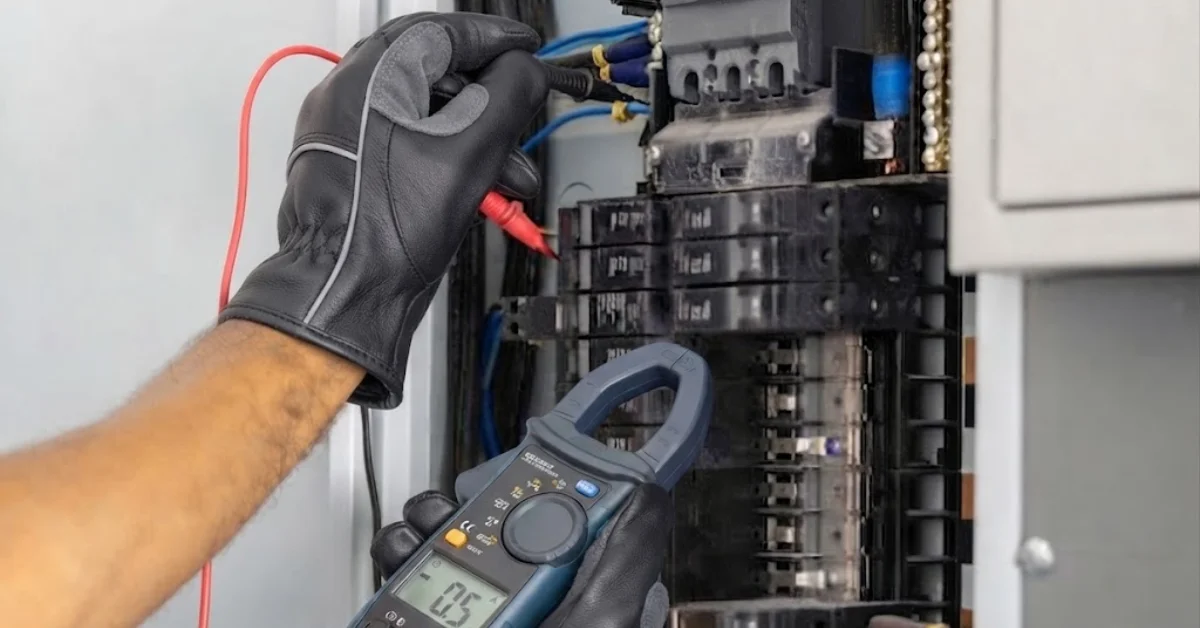
An electrical fault can have more than one possible cause. A flickering light, for example, might relate to the fitting itself, a connection, a circuit or another part of the installation. Similarly, a circuit breaker that trips may be responding to an appliance fault, excessive load or an electrical fault that requires investigation.
A useful first step is to note what is happening, when it happens and what else is affected.
| What you notice | What it may indicate | What to do |
| One light flickers occasionally | Lamp, fitting or connection issue | Monitor the pattern; arrange an inspection if it continues |
| Several lights flicker | Circuit or wiring concern | Arrange professional fault finding |
| A breaker repeatedly trips | Appliance, circuit or electrical fault | Stop repeatedly resetting it and have the cause checked |
| One power point stops working | Outlet, circuit or safety-switch issue | Have the outlet and circuit assessed |
| Outlet becomes hot or discoloured | Overheating or damaged connection | Stop using it and arrange professional attention |
| Burning smell, smoke or sparking | Potential electrical hazard | Keep away from the affected equipment and seek urgent assistance |
| Only part of the property loses power | Individual circuit or switchboard issue | Determine whether the fault is inside the property and arrange an electrician if required |
| Appliances behave unpredictably | Supply, circuit or appliance problem | Stop using affected equipment and have the issue assessed |
These are possible causes, not diagnoses. Electrical systems should be tested by an appropriately qualified professional rather than repaired based on symptoms alone.
Why Circuit Breakers Keep Tripping
Repeated breaker trips are one of the clearest signs that something needs attention.
A circuit breaker is designed to interrupt electrical supply when a circuit encounters an unsafe condition. The reason may involve excessive demand, a faulty appliance, damaged wiring or another problem within the electrical installation.
If the breaker trips once after several high-demand appliances are used together, the circumstances may provide useful information. If it trips repeatedly, immediately trips again after being reset or is accompanied by unusual smells, heat, buzzing or other warning signs, continuing to reset it is not a solution.
A qualified electrician can determine whether the problem is associated with the appliance, the circuit, the switchboard or another component.
This is where professional electrical problems and solutions differ from trial and error: the objective is to identify the cause rather than repeatedly restore the symptom.
When a Power Point Becomes a Warning Sign
A power point that does not work is inconvenient. A power point that is hot, damaged, discoloured, loose, buzzing or sparking is a different matter.
Overheating or visible damage can indicate a fault that should not be ignored. Stop using the affected outlet and avoid attempting to remove or repair it yourself.
The same applies to switches. A switch that feels unusually warm, produces a crackling sound, smells unusual or behaves inconsistently should be assessed rather than treated as a minor inconvenience.
The condition of nearby appliances also matters. If only one appliance causes a circuit to trip, the appliance itself may be involved. If several appliances cause problems on the same circuit, further electrical investigation may be appropriate.
Flickering Lights Are Not Always a Lighting Problem
Occasional flickering can sometimes be related to a bulb or fitting. Persistent or widespread flickering deserves more attention.
If several lights flicker, lighting changes when larger appliances start, or flickering occurs alongside breaker trips, buzzing or partial power loss, the issue may extend beyond an individual light.
An electrician can assess the relevant circuit and determine whether the problem is isolated or part of a wider installation issue.
This is particularly useful in properties where electrical demand has changed over time. New appliances, heating and cooling equipment, renovations and other additions can alter how an existing installation is used.
Partial Power Loss Needs a Different Approach
A complete blackout and a loss of power to one section of a home are not necessarily the same problem.
If neighbouring properties are also without electricity, the issue may relate to the wider electricity network. If only your property is affected, or only certain rooms have lost power, an internal electrical fault may be involved.
Partial power loss can result from a tripped circuit, an appliance fault, a damaged outlet or another issue within the electrical system.
The important point is not to assume the cause. If the problem cannot be resolved safely or keeps returning, professional fault finding can establish where the interruption originates.
What Counts as an Electrical Emergency?
Some electrical problems can wait for a standard appointment. Others require urgent attention.
Warning signs that should be treated seriously include smoke, sparking, burning smells, exposed wiring, significant heat around electrical equipment, water affecting electrical components, repeated serious faults or an electrical problem creating an immediate danger.
If there is fire, smoke, electric shock or an immediate threat to people or property, contact emergency services first. Once the immediate danger has been addressed, a licensed electrical professional can assess the installation.
Emergency electrical situations can also involve a sudden loss of essential power, damaged electrical equipment after severe weather or a switchboard fault that cannot safely be restored.
The reference material from emergency electrical services similarly highlights repeated safety-switch trips, sparking outlets, burning smells, switchboard faults, damaged wiring, storm-related issues and partial power loss as situations requiring prompt assessment.
What an Electrician Actually Does to Find the Fault
Calling an electrician does not necessarily mean immediately replacing the component that appears to be causing trouble.
Good fault finding follows the evidence. The electrician may discuss the symptoms with you, inspect the affected area, test relevant components and trace the problem through the electrical installation.
The repair might involve replacing a damaged component, correcting a wiring issue, addressing a circuit problem, repairing an outlet or recommending a broader upgrade where the existing system is no longer suitable for the property’s requirements.
This is why electrician services near me should be evaluated on more than availability. Experience with fault finding, appropriate licensing, clear communication and proper documentation all matter.
Choosing an Electrician for Work at Home
When arranging electrician services at home, homeowners should verify that the person carrying out the work is appropriately licensed and that the business is authorised to undertake electrical contracting work.
Energy Safe Victoria states that consumers should engage a registered electrical contractor for electrical installation work and recommends asking to see the electrician’s licence. It also provides a public register for checking electrical contractors.
Victoria also has specific requirements around Certificates of Electrical Safety. Energy Safe Victoria explains that a Certificate of Electrical Safety records electrical installation work and must be provided for applicable work completed by licensed electrical workers or registered electrical contractors.
These checks give homeowners something more meaningful than a generic promise of being an expert: they provide a way to verify the professional’s credentials and understand the work being documented.
Why DIY Electrical Fixes Are Not the Answer
It can be tempting to investigate a faulty outlet, open a switchboard or replace electrical components when the problem looks simple.
That is not a safe approach to electrical installation work.
Energy Safe Victoria explicitly advises consumers not to undertake their own electrical work, including seemingly small jobs such as changing power points or light switches. Electrical work should be performed by appropriately licensed professionals.
A homeowner can still provide useful information without attempting the repair. Record which lights, outlets or appliances are affected, note whether a breaker trips and tell the electrician about any unusual smell, heat, noise or visible damage.
That information can help the professional investigate the fault without putting you in the position of trying to diagnose or repair electrical equipment yourself.
When a Repair May Point to a Bigger Upgrade

Not every electrical fault means the entire installation needs upgrading. However, recurring problems can sometimes reveal that a property’s electrical system needs a broader assessment.
For example, repeated circuit trips may occur in a home where modern electrical demand has increased significantly. An older switchboard, deteriorated wiring or repeated faults may also warrant further investigation.
The right approach is to establish the actual condition of the installation first. An electrician can then explain whether a repair is sufficient or whether an upgrade would provide a more appropriate long-term solution.
This keeps the decision based on the property’s needs rather than automatically turning a small fault into a major project.
Professional Electrical Solutions in Melbourne
Vamp Electrical Solutions provides residential electrical services for homeowners who need help with electrical faults, repairs, maintenance and other household requirements.
Whether the issue is a troublesome circuit, faulty outlet, lighting problem, damaged electrical component or recurring loss of power, explaining the symptoms clearly can help the electrician understand what needs to be investigated.
The goal is straightforward: identify the problem, establish the appropriate repair and leave the electrical installation in a safe and properly documented condition.
For professional assistance with your electrical requirements, contact Vamp Electrical Solutions.
Frequently Asked Questions
How much does an electrician usually charge?
The cost depends on the type of electrical work, fault complexity, materials and time required. Ask for a clear scope or quote before work begins.
Can an electrician find a fault that keeps coming back?
A qualified electrician can inspect and test the relevant circuits and components to identify the underlying cause of a recurring fault.
What should I tell an electrician about an electrical problem?
Explain what stopped working, when the issue occurs, which areas are affected and whether you noticed tripping, heat, unusual smells, noise or visible damage.
How quickly can an electrician attend an urgent problem?
Response times depend on availability, location and the nature of the fault. Explain the symptoms when calling so the electrician can understand the urgency.
Can electrical problems increase my home’s safety risk?
Some faults can create safety risks, particularly when there is overheating, sparking, exposed wiring, burning smells or damaged electrical equipment. These signs should not be ignored.
Conclusion
The best electrical solution starts with understanding the fault rather than guessing at the repair. Flickering lights, repeated breaker trips, dead outlets, partial power loss and unusual heat or smells can have different causes, so the right response depends on what testing reveals.
If a problem is recurring or presents a safety concern, professional assessment is a better approach than repeatedly resetting equipment or attempting a DIY repair. Choosing an appropriately licensed electrical professional also gives you a clearer path to safe work and the required documentation.
For residential electrical repairs, fault finding, and other electrical requirements, our services are available on 0420 102 214 to discuss the problem and the appropriate next step.