
EV charger installation Melbourne homeowners need starts with checking whether their property’s electrical system can support a home charging unit. Installing an electric car charger at home makes charging more convenient, reduces reliance on public charging stations and allows you to charge your vehicle overnight. However, the right setup depends on your vehicle, switchboard capacity, electrical supply and charger location.
A professional assessment helps determine whether your home is suitable for a 7kW or 22kW charger, whether a dedicated circuit is required and if any electrical upgrades are necessary. Not every property needs a new switchboard or three-phase power supply.
This guide explains home EV charger requirements, installation options, electrical checks and the factors that affect EV charger installation cost in Melbourne.
What Do You Need Before Installing a Home EV Charger?
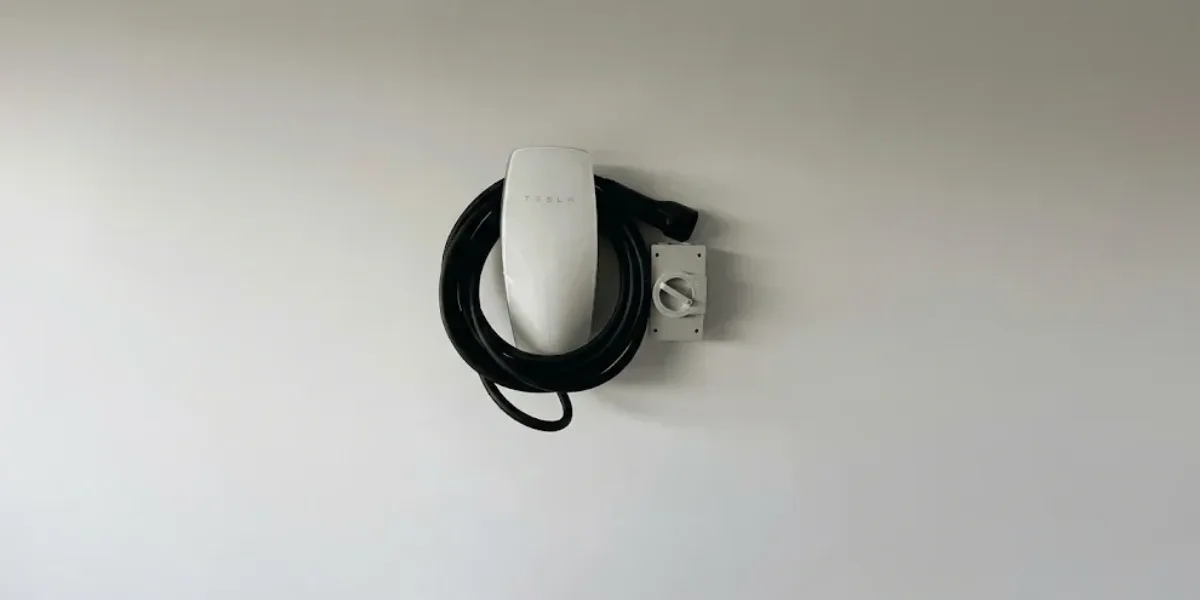
Before choosing a home EV charger, consider your vehicle’s charging capability, daily driving requirements and where you plan to park. These factors help determine which charging equipment is suitable for your property.
Check Your Electric Vehicle’s Charging Compatibility
Different electric vehicles support different AC charging speeds. Check your vehicle specifications to understand its maximum AC charging capacity and connector requirements.
For example, installing a 22kW charging unit does not mean every vehicle will charge at 22kW. The vehicle’s onboard charger determines how much AC power it can accept.
This is important when choosing a home electric car charging station. A higher-rated charger may cost more without providing faster charging if your vehicle cannot use its full capacity.
Choose the Right Home Charging Point
Home charging points for electric cars are available in different power ratings and configurations. Your choice should reflect your vehicle, electrical supply and everyday charging habits.
When comparing a car charging station for home use, consider:
- Charger power rating and vehicle compatibility
- Single-phase or three-phase electrical supply
- Charging cable length and connector type
- Indoor or outdoor installation requirements
- Smart charging and scheduling features
- Compatibility with solar energy systems
The best home charge point is one that meets your charging needs without requiring unnecessary electrical upgrades.
Select a Convenient Installation Location
A home charger is commonly installed in a garage, carport or suitable exterior wall near the parking space. The location should allow easy access to your vehicle’s charging port and provide a practical cable route.
Your electrician will consider the mounting surface, distance from the switchboard, weather exposure and access to the vehicle before confirming the installation position.
Does Your Switchboard Need an Upgrade for EV Charger Installation?
Your switchboard is an important part of the installation because an EV charger adds electrical demand to your home. Before connecting a new charger, an electrician needs to check whether the existing electrical system can accommodate it safely.
Checking Switchboard Capacity and Available Circuit Space
Switchboard capacity for EV charger installation depends on the existing circuits, protective devices, available space and overall electrical demand.
The assessment may include checking the condition of the switchboard, existing wiring, earthing and available capacity. Other high-demand appliances, such as air conditioning, electric hot water and cooking equipment, also need to be considered.
Understanding switchboard capacity and upgrade requirements helps homeowners understand why an electrical assessment matters before adding another high-demand appliance.
When Is an EV Charger Switchboard Upgrade Required?
An EV charger switchboard upgrade may be required when the existing board cannot accommodate the new circuit or suitable electrical protection. Older equipment, limited circuit space or an unsuitable electrical installation may also require attention.
However, installing an EV charger does not automatically mean replacing the entire switchboard.
There are three different types of electrical work:
| Electrical work | Purpose |
| Dedicated circuit | Provides a separate circuit for the EV charger |
| Switchboard upgrade | Modifies or replaces the existing switchboard |
| Supply upgrade | Changes the incoming electrical supply where additional capacity is required |
A property may need a dedicated circuit without needing a complete switchboard replacement or a supply upgrade. The electrician should recommend work based on the actual condition and capacity of the installation.
Single-Phase vs Three-Phase Power for Home EV Charging
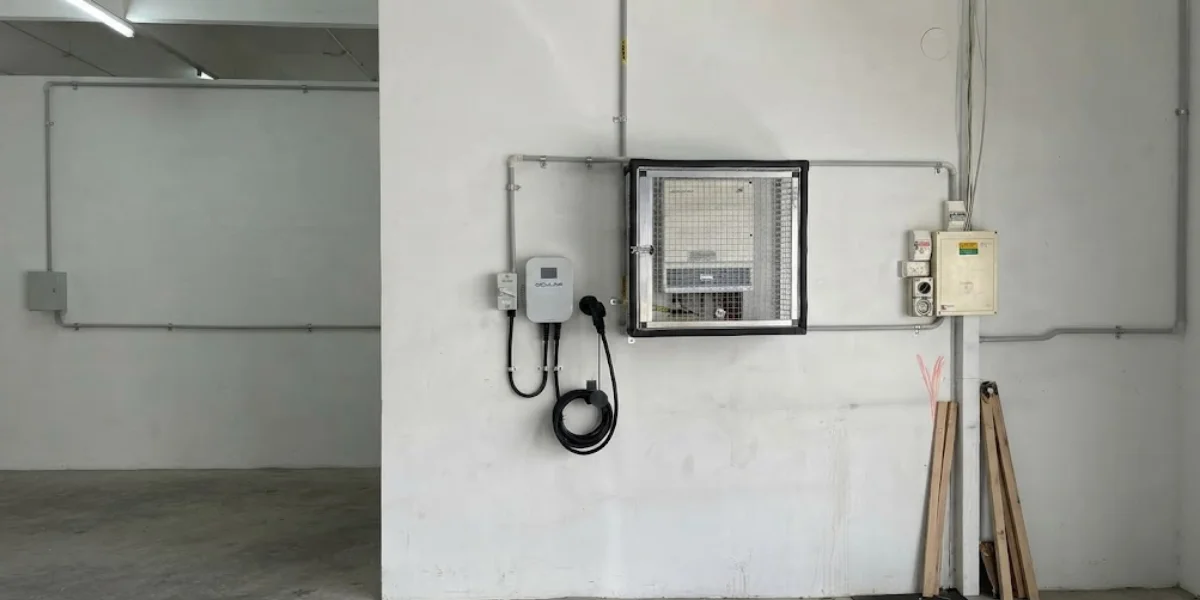
Your property’s electrical supply affects the charging capacity available to your vehicle. Many Melbourne homes use single-phase electricity, while some properties have three-phase power.
The right option depends on your vehicle’s charging capability and how quickly you want to charge it.
7kW EV Charger Installation for Single-Phase Homes
A 7kW EV charger installation can be a practical option for many homes with a suitable single-phase supply. It provides a convenient way to charge an electric vehicle at home, particularly when the vehicle is parked overnight.
The electrician still needs to confirm that the existing supply, switchboard and wiring can support the additional load. A dedicated circuit and appropriate protection are also required.
For many households, single-phase charging is sufficient for everyday driving. You do not necessarily need three-phase power to install a home EV charger.
22kW EV Charger Installation for Three-Phase Homes
A 22kW EV charger installation generally requires a suitable three-phase electrical supply and compatible charging equipment.
Although a 22kW charger offers a higher potential AC charging rate, your vehicle must also support that rate. If its onboard charger accepts less power, the actual charging speed will be limited by the vehicle.
Your electrician should assess the vehicle, existing electrical supply and installation requirements before recommending this option.
When Should You Consider Three-Phase Power?
A three-phase electrical power supply may be worth considering when your vehicle supports higher AC charging rates or your property has several high-demand electrical appliances.
However, upgrading the supply can involve additional work and costs. It should be considered only when the property’s electrical requirements justify it.
For homeowners considering a higher-capacity setup, three-phase electrical power supply requirements are an important part of planning the installation.
What Are the Electrical Requirements for a Home EV Charger?
A fixed electric vehicle charger needs an electrical installation designed for its power rating and operating conditions. The exact requirements depend on the equipment manufacturer’s specifications and the existing electrical system.
Dedicated Circuit and Electrical Protection
A fixed home charger generally requires a dedicated circuit designed for its electrical load. This means the charger does not rely on a general household circuit shared with unrelated appliances or outlets.
The electrician determines the appropriate circuit arrangement and protective devices according to the charger specifications and the property’s electrical conditions.
Suitable Cabling and Earthing
The cable size and installation method must suit the charger’s power rating, cable distance and installation environment.
Appropriate earthing and electrical protection are also important. These requirements apply whether the charger is installed inside a garage or on an exterior wall.
Smart Charging and Load Management
Some home chargers include smart features that allow owners to schedule charging, monitor energy use and manage charging through an app.
Load management can also help coordinate EV charging with other electrical equipment in the home. If your property has solar panels, check whether the selected charger supports compatible solar charging or energy management features.
What Happens During Professional EV Charger Installation in Melbourne?
Professional electric car charger installation involves an electrical assessment, installation planning, equipment connection and final testing.
Initial Electrical Assessment and Quote
The electrician checks your switchboard, electrical supply, proposed charger location and cable route. They may also need information about your vehicle and preferred charging equipment.
This assessment helps establish whether the property needs a dedicated circuit, additional protection, switchboard work or a supply upgrade.
Charger Mounting and Cable Installation
Once the installation plan is confirmed, the charger is mounted in the agreed location. The electrician installs the required cabling and electrical connections using a suitable method for the property.
The charger should be accessible for everyday use, with a cable route that allows convenient connection to the vehicle.
Testing and Final Checks
After installation, the electrical work and charging equipment need appropriate testing and commissioning. The electrician checks that the installation operates as intended and explains how to use the charging equipment.
How Much Does EV Charger Installation Cost in Melbourne?
EV charger installation cost Melbourne homeowners pay depends on the charger, electrical supply, property layout and additional work required. A straightforward installation may involve less labour and cabling than a project requiring switchboard modifications or a supply upgrade.
Charger Type and Power Rating
The charger model, power rating and additional features can affect the equipment cost. Smart charging functions and higher-capacity units may also influence the overall quote.
Cable Distance and Installation Location
A charger installed close to the switchboard may require less cabling than one positioned further away. Difficult access, long cable routes and building construction can increase labour and material requirements.
Switchboard and Supply Upgrades
If the property needs a switchboard upgrade, additional circuit protection or a three-phase supply connection, these requirements can increase the total installation cost.
A professional quote should clearly explain what is included in the charger installation and which additional electrical upgrades may be necessary.
Where Can You Install a Home EV Charging Point?
The best location for a home EV charging point depends on your parking arrangement, cable access and the equipment’s installation requirements.
A garage is a common option because the vehicle can park close to the charger. Outdoor and driveway installations can also work when the selected equipment is suitable for the environment.
Apartment charging may require additional planning because parking spaces, electrical supplies and building infrastructure can be shared. Owners may need approval from building management or the owners corporation before installation.
Why Choose Professional Residential Electrical Services?
Choosing an experienced electrician for EV charger installation helps ensure that your property’s electrical capacity and charging requirements are assessed before work begins.
Vamp Electrical Solutions provides residential electrical services across Melbourne, including electrical installations, repairs, maintenance and switchboard work. Our team can discuss your charging requirements, assess the existing electrical setup and explain what work may be needed.
For homeowners planning a new charging point, professional residential electrical services can help address the wider electrical requirements of the property alongside the charger installation.
Frequently Asked Questions
Can I Charge an Electric Vehicle at Home Using a Normal Power Point?
Some electric vehicles can use compatible portable charging equipment with a suitable power point. However, this is generally slower than using a dedicated home EV charger. The outlet and circuit must be suitable for the equipment and intended use.
Do I Need a Switchboard Upgrade for a 7kW EV Charger?
Not always. Some homes have sufficient switchboard capacity and space for the required circuit. An electrician needs to assess the existing installation before confirming whether an upgrade is necessary.
Is a 22kW EV Charger Faster Than a 7kW Charger?
A 22kW charger has a higher potential AC charging capacity. However, your vehicle must support that charging rate to benefit from it. The vehicle’s onboard charger can limit the actual charging speed.
How Long Does Home EV Charger Installation Take?
Installation time depends on the charger location, cable route, switchboard condition and additional electrical work. A straightforward installation may take less time than a project involving switchboard modifications or a supply upgrade.
Can I Install an EV Charger Without Three-Phase Power?
Yes. Many home chargers are suitable for single-phase electrical supplies. A 7kW charger can be a practical option for many households, provided the vehicle and existing electrical installation support it.
Can I Use Solar Power to Charge My Electric Vehicle?
Yes. Some chargers support solar-aware charging or integration with compatible energy management systems. The available solar generation, household electricity use and charger features determine how charging can be managed.
Conclusion
Installing a home charging point starts with understanding your vehicle’s requirements and your property’s electrical capacity. Whether you are considering a 7kW charger, a 22kW charging setup or a new car charging station for home use, a professional assessment can help identify the right approach.
Vamp Electrical Solutions provides residential electrical services across Melbourne. Our team can assess your existing electrical setup, discuss suitable installation options and explain any additional work your property may require.
If you are planning home EV charger installation in Melbourne, book an EV charger installation assessment in Melbourne and discuss your requirements with Vamp Electrical Solutions.
Call 0420 102 214 to make an enquiry and request a quote.