
Lighting is an important part of every home. It helps you see clearly, move around safely, and enjoy each room. When a light stops working, it can affect your daily routine. Some faults are easy to spot, while others may point to a problem with the wiring or electrical circuit.
Many homeowners deal with flickering lights, dim bulbs, faulty switches, or lights that will not turn on. Changing a bulb may solve some issues, but it will not fix every fault. The real cause may be a loose connection, a damaged fitting, or an overloaded circuit.
Understanding common lighting problems can help you know when to seek professional help. This article explains why these faults happen, what an electrician checks, and when to consider a repair or new installation. If your home has ongoing lighting issues, a qualified electrician can help find the cause and suggest a safe solution.
Why Do Home Lights Flicker or Flash?
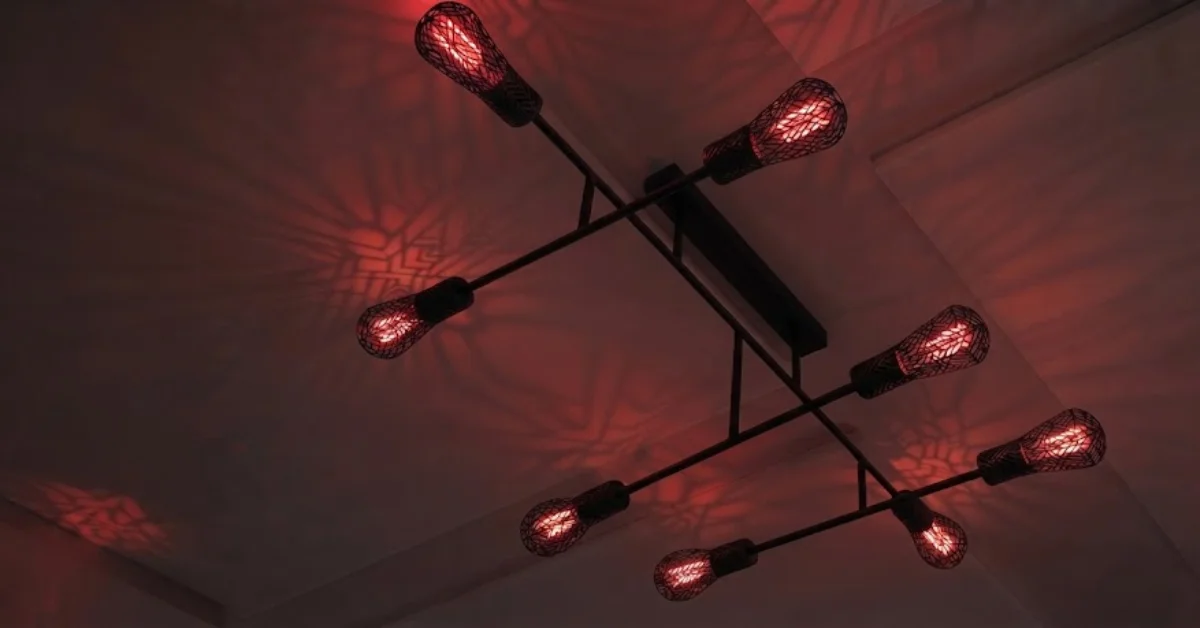
Flickering lights are one of the most common lighting problems in Australian homes. A light may flash for a few seconds, change brightness, or flicker throughout the day. This can happen with LED bulbs, older fittings, or damaged electrical connections.
A loose bulb or poor contact may cause a light to flicker. However, the problem may also come from a faulty switch, damaged wiring, or an unsuitable dimmer. If several lights flicker at once, the fault may involve the electrical circuit or power supply.
An electrician can inspect the light fitting, switch, and related wiring. They can also check whether the bulb and dimmer are suitable for each other. If a connection is damaged, it may need repair or replacement.
Do not ignore flickering that keeps coming back. It can be a sign of an electrical fault that needs attention.
What Causes Dim Lights in Different Rooms?
Dim lights can make a room feel dull and reduce visibility. Sometimes, the cause is simple. An old bulb may have lost brightness, or the chosen light may not suit the size of the room.
Other cases need a closer check. A poor connection, faulty switch, or wiring issue may affect how a light works. If the brightness changes when other appliances run, an electrician should inspect the circuit.
Here are some common reasons for low light levels:
- Old or worn bulbs that need replacement.
- Light fittings with poor output for the room.
- Dust or damage that affects the fitting.
- Faulty dimmer controls or switches.
- Wiring or circuit faults that affect power.
The right fix depends on the cause. A new bulb may be enough for one room, while another may need a different fitting or electrical repair.
A professional can also help you choose suitable lighting for kitchens, bedrooms, hallways, and living areas. This helps improve visibility without adding lights that you do not need.
Why Do Lights Stop Working Even After Changing the Bulb?
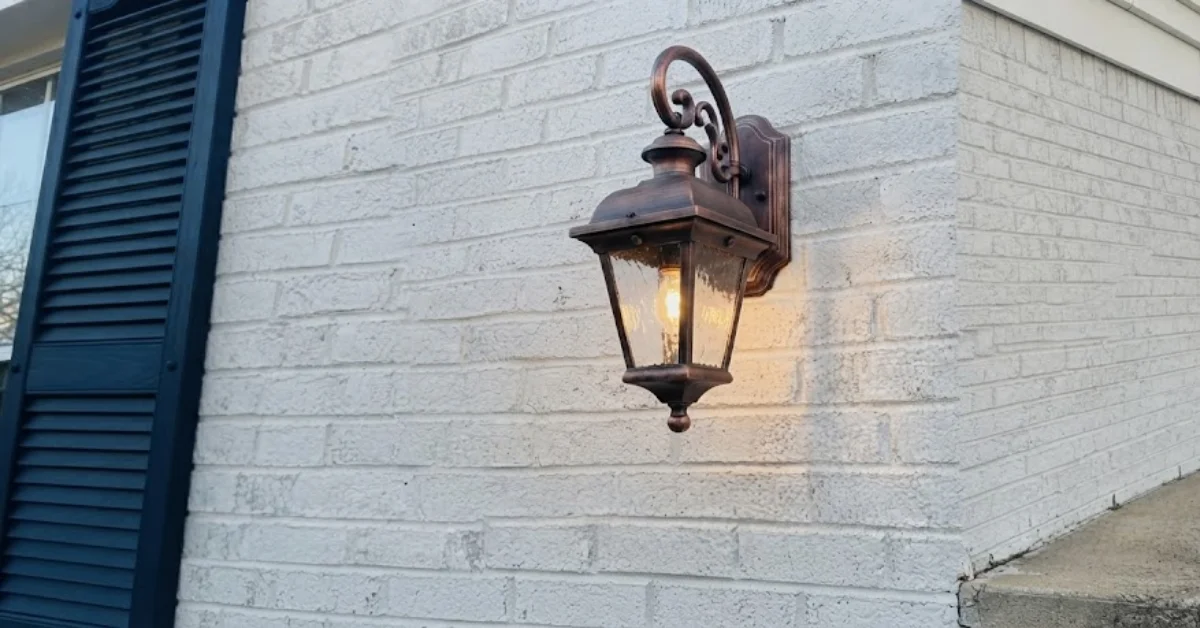
Replacing a bulb is often the first thing people try when a light stops working. But what if the new bulb does not turn on either?
The problem may be inside the light fitting or the electrical system. A worn lamp holder, damaged switch, or broken wire can stop power from reaching the bulb. In some cases, the fitting itself may be too old or damaged to use safely.
An electrician can test the fitting and check the electrical connections. They can find out whether the fault comes from the switch, wiring, or another part of the circuit. If a fitting is damaged, replacing it may be the safest option.
Avoid taking apart a light fitting or touching exposed wires. Electrical work should be handled by a qualified electrician.
How Do Faulty Light Switches Affect Home Lighting?
A light switch should work each time you use it. If it feels loose, makes unusual sounds, or fails to turn a light on, it may need attention.
Faulty light switches can develop due to age, wear, or damaged internal parts. Poor wiring connections may also affect how the switch works. In some homes, an old switch may no longer suit the lighting setup.
Common warning signs include:
- A switch that feels loose or does not click properly.
- Lights that work only at certain times.
- A buzzing sound near the switch.
- Heat, burn marks, or a burning smell.
These signs should not be ignored. Turn off power to the affected circuit if it is safe to do so, and arrange an electrical inspection. Do not open the switch or attempt to repair it yourself.
An electrician can test the switch and its connections. They can repair or replace the faulty part and check that the light works as it should.
What Causes LED Lighting Problems?
LED lights are popular because they use less energy and can last for many years. They also come in different shapes, colours, and brightness levels. However, LED lighting can still develop faults.
Some LED lighting problems happen when the bulb does not match the fitting or dimmer. Other causes include poor-quality drivers, loose connections, heat build-up, or damaged parts.
A common issue is an LED light that flashes, glows after being switched off, or stops working without warning. The problem may not be the LED itself. It could be the driver, switch, or wiring.
An electrician can check the light, power supply, and control system. They can also confirm whether the LED fitting is suitable for the room and electrical setup.
When choosing new lights, look at the fitting type, brightness, and intended use. A suitable product can help reduce future faults and provide better light for your home.
When Do Lighting Wiring Problems Need an Electrician?
Not every lighting fault comes from a bulb or fitting. Sometimes, the issue is hidden in the wiring. Damaged cables, loose connections, and faulty circuits can affect one light or several rooms.
Lighting wiring problems need careful attention because unsafe electrical connections can create a risk of electric shock or fire. Warning signs include repeated power loss, burning smells, warm switches, buzzing sounds, or circuit breakers that keep tripping.
An electrician can carry out electrical fault finding to locate the source of the problem. They may test the circuit, inspect accessible connections, and check the condition of the wiring. Once they identify the cause, they can explain the repair options.
Electrical lighting repairs may include replacing damaged fittings, fixing wiring connections, or repairing a faulty switch. If the existing setup is old or unsuitable, a larger upgrade may be needed.
Never try to repair hidden wiring yourself. A licensed electrician should carry out electrical work in line with Australian safety requirements.
When Should You Repair Old Lights or Install New Ones?
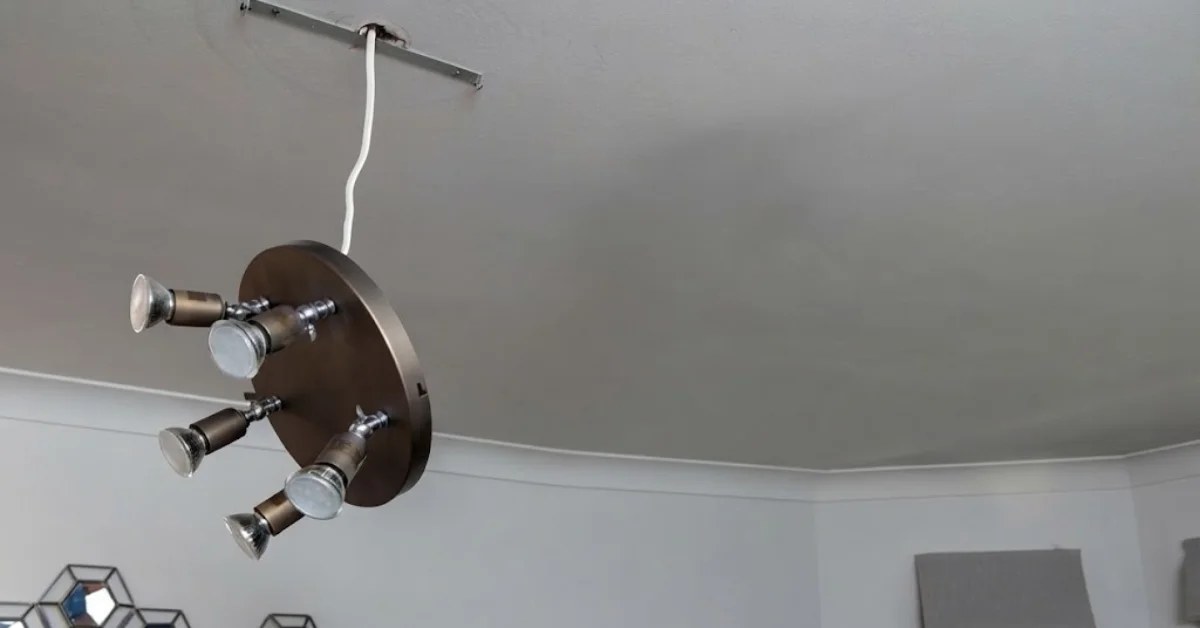
Some lighting faults only need a small repair. Others may be a good reason to replace an old fitting. The right choice depends on the condition of the light, the cost of repair, and the needs of your home.
A repair may be suitable when the fitting is in good condition and the fault comes from a replaceable part. A new installation may make more sense when the fitting is damaged, outdated, or no longer meets your needs.
Residential lighting installation can also help when you renovate a room or improve outdoor spaces. A new lighting plan can make dark areas easier to use and improve the look of your home.
Before choosing a repair or replacement, consider:
- The age and condition of the current fitting.
- The type of fault and its likely cause.
- The brightness needed in each room.
- The cost of repair compared with replacement.
- The safety and suitability of the existing wiring.
Outdoor lighting needs extra care. Weather, moisture, and damage can affect fittings around paths, gardens, garages, and entrances. Outdoor faults should be checked to make sure the fittings and connections are suitable for their location.
Vamp Electrical Solutions provides lighting installation and repairs for homes in Melbourne. An electrician can assess the existing setup and help you choose a suitable option.
Frequently Asked Questions
Why do my lights flicker even with new bulbs?
The cause may be a faulty switch, loose connection, dimmer, or wiring issue. An electrician can check the fitting and circuit.
Are dim lights a sign of an electrical fault?
Not always. Old bulbs or poor lighting choices can cause low brightness. If the problem continues, arrange an electrical check.
Why does my LED light keep flashing?
An unsuitable dimmer, faulty driver, or poor connection may cause flashing. An electrician can test the setup.
When should I replace a faulty light fitting?
Replace it if it is damaged, unsafe, or cannot be repaired properly. An electrician can assess its condition.
Can an electrician repair outdoor lighting?
Yes. An electrician can inspect outdoor fittings, wiring, and connections, then carry out suitable repairs or replacements.
Conclusion
Lighting faults can affect comfort, safety, and daily life. A flickering bulb, dim room, or faulty switch may seem like a small issue, but the cause can be more serious. Finding the source of the problem is the best way to choose the right repair.
Vamp Electrical Solutions provides home lighting repair services, electrical fault finding, and new lighting installation. Whether you need help with faulty light fixtures, LED issues, or outdoor lighting faults, the right electrical support can help keep your home well lit and safe.
Need help with your home lighting? Contact Vamp Electrical Solutions on 0420 102 214 to discuss your lighting installation and repair needs.