
Electrical problems in your home can range from flickering lights and faulty power points to repeated safety switch trips and outdated switchboards. While some issues may seem minor at first, they can indicate an underlying electrical fault that needs professional attention.
Understanding common electrical problems in Melbourne homes helps you recognise warning signs, take sensible safety precautions and know when to contact a licensed electrician. Whether you live in an older property or a modern home, identifying electrical faults early can help reduce safety risks and prevent further damage.
This guide explains the most common household electrical issues, their possible causes, practical solutions and when professional electrical repairs may be necessary.
Common Electrical Problems in Melbourne Homes

Why Does the Power or Safety Switch Keep Tripping?
A circuit breaker or safety switch that repeatedly trips is one of the most common electrical problems in a home. Both devices disconnect power when they detect certain problems, but they serve different protective purposes.
A circuit breaker generally protects a circuit against overcurrent, while a safety switch, also called an RCD, helps protect people from electric shock by detecting an electrical imbalance.
Common reasons for tripping include:
- Overloaded circuits: Several high-demand appliances operating on the same circuit can exceed its capacity.
- Faulty appliances: A damaged appliance may cause a circuit breaker or safety switch to trip.
- Damaged wiring: Deteriorated insulation or damaged electrical connections can contribute to faults.
- Moisture: Water entering electrical equipment or fittings can create a dangerous fault.
What should you do? Note which appliances were running when the power tripped. If a particular appliance appears to be involved and it is safe to disconnect it, stop using it until it has been checked. Do not repeatedly reset a breaker or safety switch that continues to trip.
If the cause is unclear or the issue returns, arrange professional electrical fault diagnosis. Repeated tripping should never be treated as a normal inconvenience.
Flickering Lights, Dimming and Power Fluctuations
Flickering lights in a house may result from a loose lamp, a problem with a fitting, an overloaded circuit or a fault in the electrical supply. The pattern of the problem can help indicate what needs investigating.
For example, a single flickering light may point to an issue with that fitting, while several lights dimming at the same time could indicate a wider electrical or supply problem.
Possible solutions:
- Observe whether the flickering affects one light or several areas of the property.
- If the problem is limited to a replaceable lamp and there are no signs of damage, follow the manufacturer’s instructions and replace it only when safe.
- Stop using a fitting if you notice heat, buzzing, sparks or a burning smell.
- Arrange an electrician’s assessment if flickering continues or affects multiple circuits.
If your home experiences widespread dimming, low voltage or partial power loss, do not touch the switchboard or metal objects.
Faulty Power Points and Signs of Faulty Wiring
Faulty power points can cause appliances to stop working, connections to become unreliable or electrical fittings to show visible signs of damage. Warning signs include scorch marks, unusual warmth, buzzing, sparks and a burning smell.
Other signs of faulty wiring may include recurring breaker trips, flickering lights, damaged switches or unexplained electrical interruptions.
These symptoms do not always have the same cause. A faulty appliance, damaged outlet, deteriorating wiring or loose connection may produce similar warning signs.
What should you do?
- Stop using a damaged, hot or sparking power point.
- Do not touch exposed wires or attempt to repair an electrical outlet yourself.
- Keep children away from damaged switches and power points.
- Arrange an inspection by a licensed electrician.
A property with ageing wiring may also require a broader assessment, particularly if several electrical problems occur together. Energy Safe Victoria recommends having the wiring checked by a licensed electrician if your house is more than 30 years old and you are concerned about its condition.
Outdated Switchboards and Electrical Safety Risks
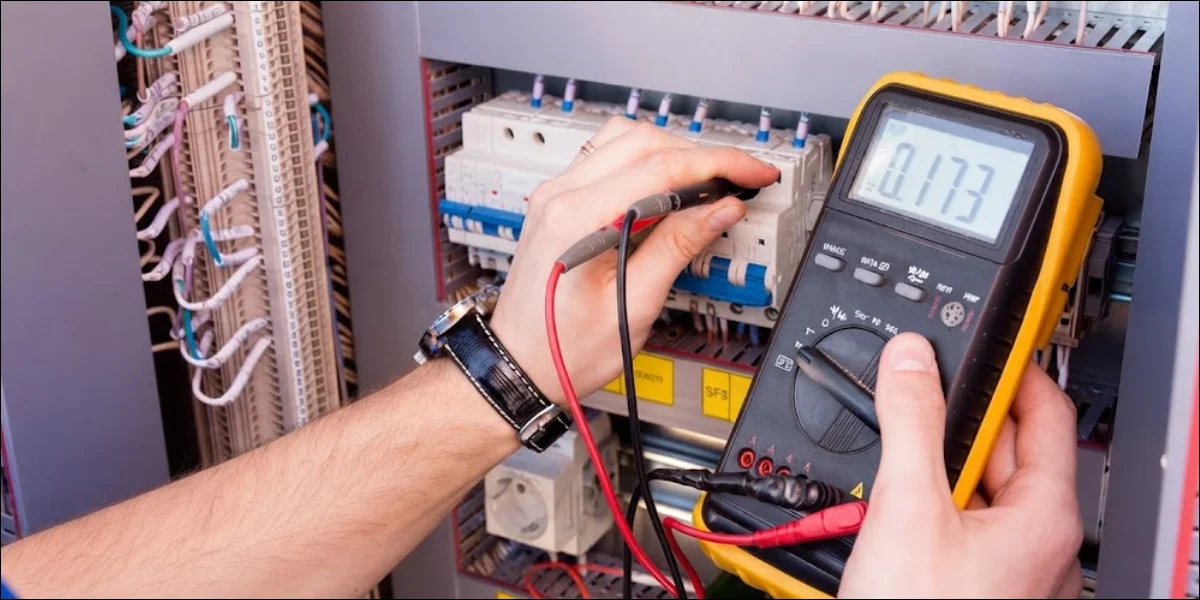
Older switchboards may contain ageing components or ceramic fuses and may lack modern safety switch protection. However, the age or appearance of a switchboard alone does not determine whether it needs replacing.
The important question is whether the installation provides suitable protection, operates reliably and meets the requirements applicable to the property.
Common switchboard warning signs include frequent tripping, visible damage, unusual heat, buzzing or burning smells. These symptoms need prompt professional assessment.
The solution: Ask a licensed electrician to inspect the switchboard and assess its protective devices, condition and capacity for your household’s electrical needs. Depending on the findings, repairs, additional safety switches or a switchboard upgrade may be appropriate.
If you are planning renovations, adding major appliances or installing an EV charger, a switchboard assessment can also help determine whether the existing electrical installation is suitable.
Burning Smells, Sparks or Electric Shocks
Burning smells, sparks, scorch marks and electric shocks are serious warning signs. They can indicate overheating, damaged insulation, faulty connections or another electrical hazard.
Do not continue using an affected outlet, switch or appliance to see whether the problem disappears. Avoid touching hot fittings, exposed wires or damaged electrical equipment.
Take these precautions:
- Keep people away from the affected area.
- Do not touch equipment that is sparking, smoking or visibly damaged.
- If there is smoke or fire, move to safety and call emergency services on 000.
- If someone experiences an electric shock, do not touch them while they remain in contact with a live electrical source. Call 000 for a serious incident and follow the emergency operator’s instructions.
- Contact your electricity distributor if you experience tingling or shocks from appliances or water taps, and arrange for a licensed electrician to check the property’s wiring.
Do not attempt DIY electrical repairs. If you suspect an immediate electrical hazard, prioritise personal safety and get professional assistance.
What Should You Do When an Electrical Problem Occurs?
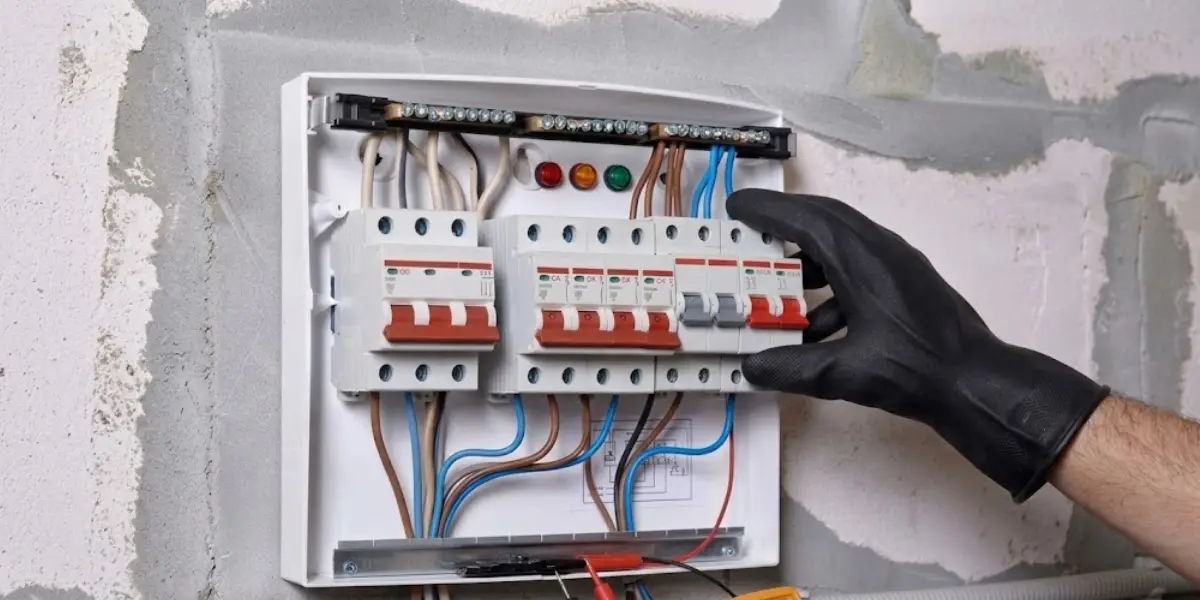
Knowing how to fix home electrical problems starts with recognising which actions are safe and which require a professional. Homeowners can observe symptoms and take basic precautions, but electrical wiring, switchboard components and fixed electrical fittings should not be repaired without the appropriate qualifications.
Use these practical steps:
- Identify the symptoms. Note which lights, outlets or appliances are affected and whether the issue occurs repeatedly.
- Stop using unsafe equipment. Disconnect an appliance only if it is safe to do so. Never touch damaged, wet, hot or sparking equipment.
- Avoid repeated resets. A breaker or safety switch that trips again may be responding to an unresolved fault.
- Check for a wider supply issue. If neighbouring properties are also affected, or your home has widespread dimming or partial power loss, contact your electricity distributor.
- Arrange professional help. Contact a licensed electrician if the fault persists, the cause is uncertain or you notice signs of overheating or damaged wiring.
These steps can help you communicate the problem clearly and reduce unnecessary risks while waiting for assistance.
When Should You Call a Licensed Electrician?

You should contact a licensed electrician when electrical faults recur, the cause is unclear or a fitting appears damaged. Problems involving wiring, switchboards, fixed electrical installations and electrical safety devices require appropriate professional assessment.
A qualified electrician can investigate the symptoms, identify the likely source and recommend repairs based on the findings.
Professional electrical fault finding in Melbourne can help determine whether repeated tripping, flickering lights or unreliable power points are caused by a faulty appliance, a circuit issue, damaged wiring or another electrical problem.
Depending on the diagnosis, the required work may include:
- Repairing or replacing faulty switches and power points.
- Investigating recurring circuit breaker or safety switch trips.
- Assessing switchboards and protective devices.
- Inspecting wiring and electrical connections.
- Carrying out residential electrical repairs and safety checks.
If you are finding a reliable electrician near you, check their Victorian electrical licence, relevant experience and whether they can explain the proposed work clearly. Ask what the inspection or repair includes and request the required electrical safety documentation for the work performed.
How Can You Reduce Electrical Risks at Home?
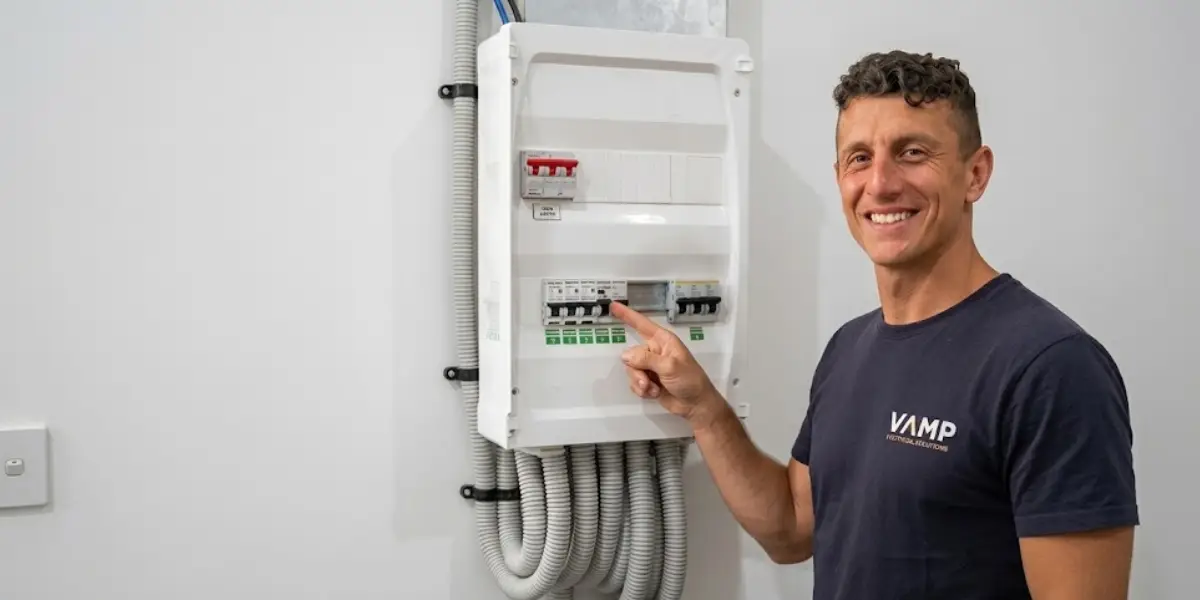
Although not every electrical fault can be prevented, regular checks and sensible appliance use can help reduce avoidable risks.
Avoid overloading power points. Follow appliance instructions and avoid connecting multiple high-demand devices to an overloaded outlet or power board.
Stop using damaged equipment. Frayed cords, broken plugs, cracked power points and damaged switches should be taken out of use until assessed or replaced appropriately.
Test safety switches regularly. Energy Safe Victoria recommends testing safety switches every three months. Follow the manufacturer’s instructions to test an RCD safety switch using its test button. Testing should cause the protected circuit to lose power.
Arrange checks for older properties. If your home has ageing wiring, an older switchboard or recurring electrical faults, ask an electrician whether an electrical safety inspection is appropriate.
Plan electrical work before renovations. Adding air conditioning, induction cooking, EV charging or other high-demand equipment may require an assessment of your existing circuits and switchboard.
For home-based businesses and workplaces, separate obligations may apply to portable electrical equipment. Understanding electrical testing and test and tag requirements can help businesses manage equipment safety alongside the electrical condition of the property.
Frequently Asked Questions
What are common electrical problems?
Common electrical problems include tripping circuit breakers, flickering lights, faulty power points, damaged wiring, overloaded circuits and outdated switchboards. Contact a licensed electrician if faults keep returning or you notice burning smells, sparks or overheating.
What are the three most common types of electrical faults?
The three common electrical faults are short circuits, open circuits and earth faults. They can cause power interruptions, equipment damage or electric shock risks. A licensed electrician can diagnose and repair these faults safely.
What are 5 electrical safety rules?
Five essential electrical safety rules are:
- Never attempt DIY electrical wiring repairs.
- Avoid overloading power points.
- Keep electrical equipment away from water.
- Stop using damaged cords and faulty outlets.
- Contact a licensed electrician for recurring electrical faults.
Why does my safety switch keep tripping?
A safety switch may keep tripping because of a faulty appliance, damaged wiring, moisture or electrical leakage. Stop using suspected faulty equipment and avoid repeatedly resetting the switch. Contact a licensed electrician if the problem continues.
What are the signs of faulty wiring in a house?
Warning signs include flickering lights, frequent circuit breaker trips, burning smells, buzzing sounds, scorch marks and warm power points. Stop using affected equipment and arrange an inspection by a licensed electrician.
Conclusion
Electrical faults can disrupt your routine and may create safety risks if left unresolved. From recurring power trips and faulty power points to switchboard concerns and suspected wiring damage, identifying the cause is the first step towards the right repair.
VAMP Electrical Solutions can assist with residential electrical repairs, electrical fault finding, switchboard work and electrical safety concerns across Melbourne.
If you are experiencing recurring electrical problems or need a professional assessment, contact VAMP Electrical Solutions on 0420 102 214 to discuss your requirements and arrange the appropriate service.