
When an RCD keeps tripping, it can leave parts of your home without power. It may happen once or several times a day. Sometimes, the switch trips when you turn on an appliance. In other cases, it happens at night or when nothing seems to be running.
An RCD, also called a safety switch, is designed to reduce the risk of electric shock. It cuts power when it detects an electrical current flowing where it should not. A trip is a warning that something needs attention.
The cause may be a faulty appliance, damaged wiring, moisture or a problem with the safety switch itself. Knowing what to look for can help you understand the issue. However, electrical faults need care. This article explains the common causes, safe checks you can make and when to call a licensed electrician.
What Causes an RCD to Keep Tripping?
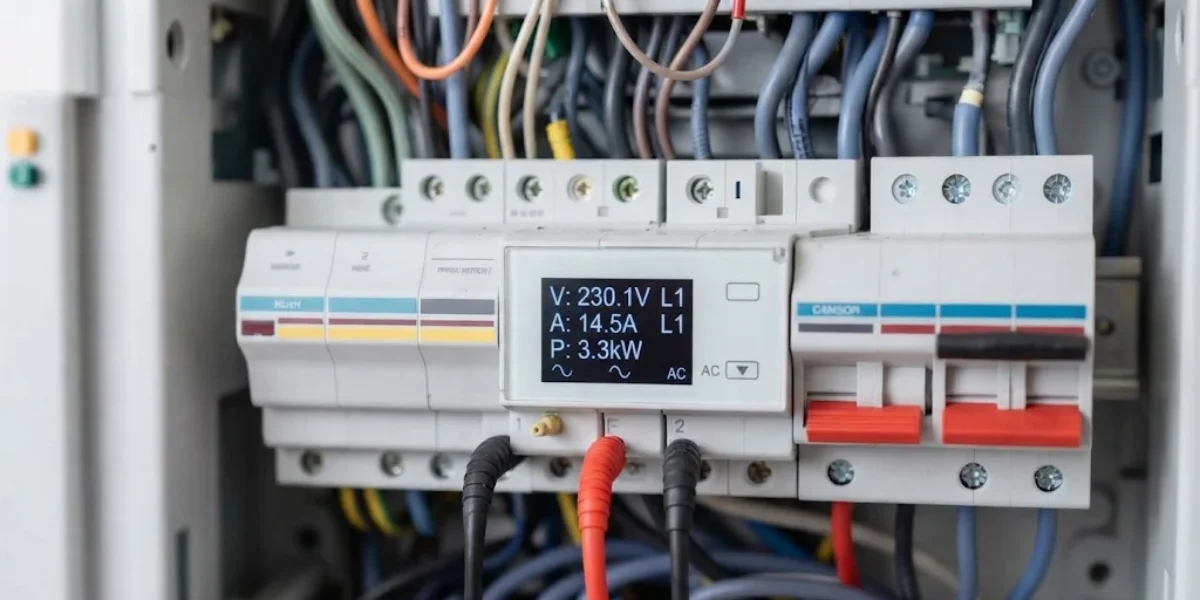
An RCD monitors the flow of electricity through a circuit. If it detects an imbalance, it switches off the power. This helps protect people from electric shock.
There are several reasons why this can happen.
A faulty electrical appliance
A damaged appliance can allow electricity to leak to earth. This may cause the RCD to trip when you use it.
Common examples include washing machines, dishwashers, refrigerators, kettles and heaters. A damaged plug or power cord can also cause a problem.
Damaged or ageing wiring
Old wiring can wear down over time. Insulation may crack, loosen or become damaged. This can allow current to leak and cause repeated trips.
The problem may be hidden inside a wall, ceiling or electrical connection. You may not see any clear signs before the safety switch operates.
Moisture entering electrical equipment
Water and electricity are a dangerous combination. Moisture can enter outdoor power points, garden lighting, external fittings or other electrical equipment.
This may explain why an RCD trips after heavy rain or when outdoor equipment is used. Do not touch wet electrical fittings or try to dry them while they are connected to power.
Too much leakage current on one circuit
Several appliances can create small amounts of leakage current. When these amounts add together, the RCD may trip.
This can happen even when each appliance seems to work normally. An electrician can test the circuits and find where the leakage is coming from.
A faulty RCD
The safety switch itself can also develop a fault. Internal wear, damage or a failed mechanism may affect its operation.
A switch that trips often, will not reset or fails its test needs professional attention. Do not assume that replacing the switch will solve the problem without checking the circuit.
Why Does My RCD Keep Tripping Intermittently?
An intermittent fault can be harder to identify because the power may return and everything may work normally for a while.
If your RCD trips randomly at night, the cause may be an appliance that starts automatically. Refrigerators, hot water systems, pumps and heating equipment may operate at different times.
Weather can also play a part. Rain or damp conditions may affect outdoor wiring, lights and power points. A fault may only appear when moisture reaches a damaged connection.
If the RCD trips after 10 minutes, it does not always mean the switch is faulty. An appliance may develop a fault after running for a short time. A heating element, motor or damaged connection may also cause an intermittent problem.
Pay attention to when the trip happens. Note which appliances were running, whether it had been raining and which parts of the home lost power.
These details can help an electrician narrow down the cause without guessing.
Safety Switch vs Circuit Breaker: What Is the Difference?
A safety switch and a circuit breaker serve different purposes. Both can turn off power, but they respond to different electrical problems. Understanding the difference between a safety switch vs circuit breaker can help you identify why the power has gone off.
An RCD, also called a safety switch, monitors electrical current and detects leakage that may cause an electric shock. A circuit breaker protects wiring against overloads and short circuits.
For example, running too many high-power appliances on one circuit may cause a circuit breaker to trip. A damaged appliance that leaks current to earth may cause the RCD to trip.
Some modern devices combine both functions. These are known as RCBOs.
Knowing which switch has turned off can help you explain the problem to an electrician. However, do not remove the switchboard cover or inspect internal wiring yourself. Leave electrical testing and repairs to a licensed professional.
Safe Checks: How to Reset an RCD
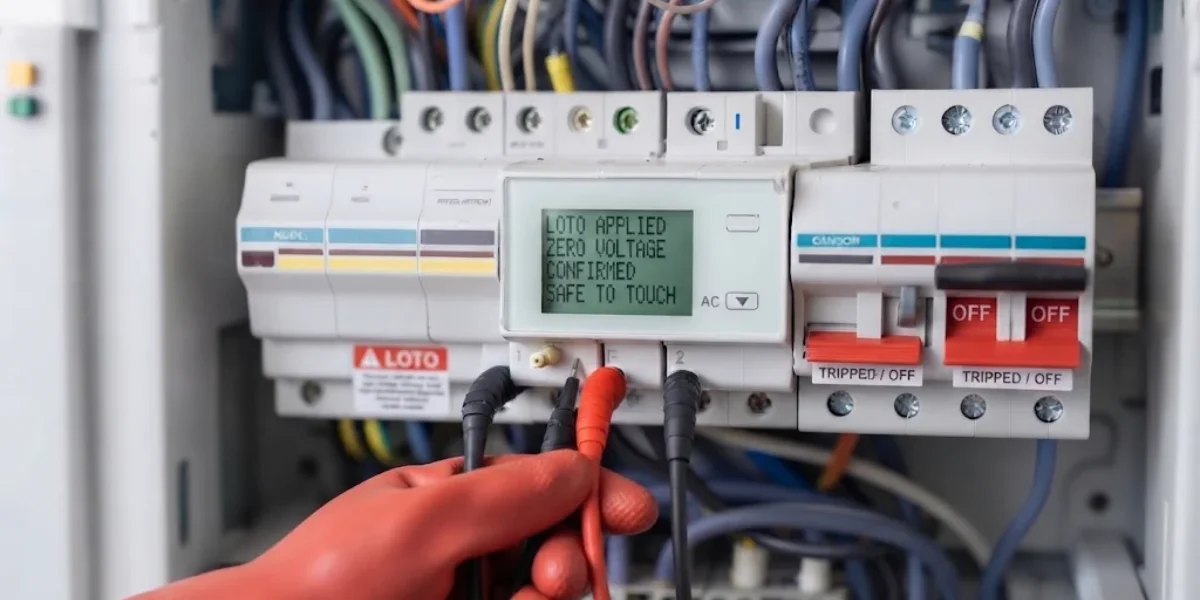
If there are no signs of electrical damage, you may be able to make a few basic checks. Only do this if the switchboard is dry, undamaged and safe to approach.
Start by checking whether the affected switch has a test button. This can help you identify the safety switch.
Follow these safe checks:
- Turn off and unplug portable appliances connected to the affected circuit, if it is safe to do so.
- Check whether any visible appliance cords or plugs show signs of damage. Do not touch damaged equipment.
- If the switchboard is dry and there are no warning signs, try resetting the RCD once.
- If it stays on, reconnect appliances one at a time and watch for a repeat trip.
- If one appliance causes the switch to trip, unplug it if safe and stop using it.
- If the RCD trips again or will not reset, leave it off and contact a licensed electrician.
Never force the switch into the ON position. Do not tape it, hold it up or keep resetting it. Repeated trips can point to a fault that needs proper testing.
How to Test an RCD and Know When It Has Failed
An RCD has a test button, often marked with a T or the word TEST. This button checks whether the safety switch can trip through its test mechanism.
Energy Safe Victoria recommends regular safety switch testing. Its Test, Reset, Protect guidance advises households to test their safety switches every three months.
Before testing, tell everyone in the home. The test will cut power to the circuits protected by that switch. Follow the manufacturer’s instructions and make sure the switchboard is safe to approach.
When you press the test button, the switch should trip and disconnect the power. You can then reset it if it operates correctly.
If the power does not turn off, the safety switch may have failed. Contact a licensed electrician to investigate.
A push-button test does not check every part of the electrical installation. An electrician can use suitable testing equipment to check the RCD’s operation, the wiring and the affected circuits.
Power Out at Home: What to Check Before Calling an Electrician
A sudden loss of power does not always mean the whole property has an electrical fault. The first step is to understand how much of the home is affected.
Check whether your neighbours also have no power. If they do, the issue may be related to the local electricity supply.
If only your home is affected, look for a tripped switch from a safe position. Do not touch the switchboard if it is wet, hot, damaged or making unusual sounds.
Here are some signs that need professional attention:
- The RCD trips even when portable appliances are unplugged.
- The safety switch will not stay on after one reset.
- Lights flicker or power cuts out without a clear reason.
- You notice a burning smell, buzzing, smoke or sparks.
- An appliance, power point or metal fitting gives you an electric shock or tingling sensation.
If you notice smoke, fire or active sparking, keep away and call 000 if there is an immediate emergency. Never touch equipment that may be live or damaged.
When Should You Call an Electrician?
Some electrical problems are not visible from the outside. A safety switch may trip because of a fault in fixed wiring, an appliance, an outdoor fitting or the switchboard.
You should arrange a professional inspection if the problem keeps returning. This is especially important when the RCD trips with nothing plugged in, operates at random times or refuses to reset.
A licensed electrician can carry out electrical fault finding to identify the source. This may include checking connected circuits, testing appliances where appropriate, inspecting wiring and testing the RCD.
The repair will depend on what the tests reveal. It may involve repairing a faulty connection, replacing damaged wiring, addressing moisture entry or replacing a defective device.
Do not replace an RCD or work inside the switchboard yourself. Electrical installation and repair work must be handled by an appropriately licensed electrician in Victoria.
Frequently Asked Questions
Why does my RCD keep tripping with nothing plugged in?
A fault may be present in fixed wiring, lighting, outdoor equipment or the RCD itself. Unplugging portable appliances does not disconnect fixed electrical equipment. Ask a licensed electrician to investigate.
Can rain cause an RCD to trip?
Yes. Moisture can enter outdoor lights, power points, wiring or connected equipment. If the switch trips after rain, leave the affected circuit off and arrange an inspection.
Why does my safety switch trip at night?
An appliance may start automatically during the night. A refrigerator, pump or heating system may also develop a fault while running. An electrician can test the circuit to find the cause.
How many times should I reset a tripping RCD?
Do not keep resetting it. If it trips again after one safe reset, leave it off and contact a licensed electrician.
Is a faulty RCD dangerous?
It can be. A faulty safety switch may not provide the protection it is designed to offer. If it fails its test or behaves abnormally, arrange a professional inspection.
Does an RCD protect against every electrical fault?
No. An RCD helps protect against certain electrical leakage faults. It does not replace circuit breakers, proper wiring, earthing or regular electrical inspections.
Conclusion
An RCD that keeps tripping should never be ignored. It may be a faulty appliance, damaged wiring, moisture or a problem with the safety switch. A few safe checks can help you understand when the problem occurs, but repeated trips need professional attention.
Do not force the switch back on or attempt electrical repairs yourself. Finding the real cause is the best way to restore power and keep your home safe.
If your safety switch keeps tripping, Vamp Electrical Solutions can help identify electrical faults and assess the problem. Call 0420 102 214 to discuss your electrical issue and arrange professional assistance.