
A circuit breaker is designed to protect an electrical system when a circuit draws more current than it should. When a breaker trips repeatedly, feels unusual, shows visible damage or no longer operates correctly, the problem should not simply be ignored.
Many property owners search for how to change a circuit breaker in an electrical panel because replacing the component can appear straightforward. However, an electrical panel is not an area where trial and error is appropriate. The correct breaker, panel compatibility, circuit condition and installation all need to be assessed before replacement.
Understanding what a breaker does and recognising when professional attention is needed can help prevent a small electrical fault from becoming a larger problem.
What Is a Circuit Breaker?
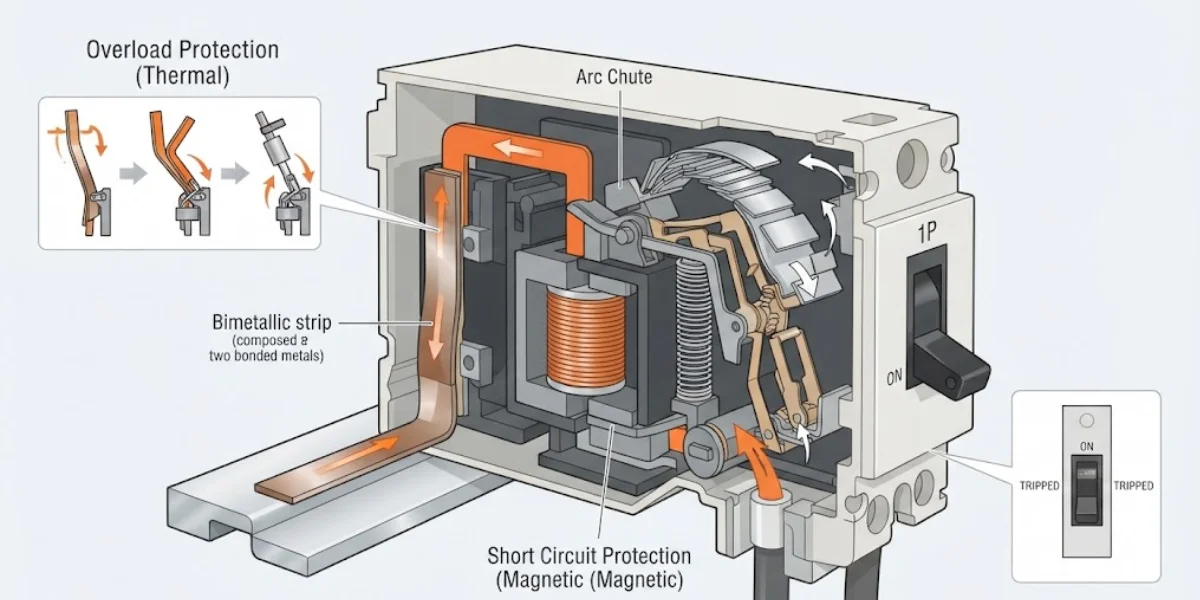
A circuit breaker is a protective switching device installed within an electrical distribution board or panel. Its main purpose is to interrupt electrical flow when a circuit experiences conditions such as an overload or short circuit.
Unlike a simple switch, a breaker forms part of the property’s electrical protection system. Once it detects an unsafe electrical condition, it can disconnect the affected circuit.
For a clearer explanation of how a circuit breaker differs from a safety switch, see Vamp Electrical Solutions’ guide to safety switch vs circuit breaker.
There are different types and ratings of electric breakers, and they are not interchangeable simply because they appear physically similar. The correct choice depends on the electrical installation, panel specifications and circuit requirements.
How Does a Circuit Breaker Work?
Under normal conditions, electricity passes through the breaker and supplies the connected circuit. If the current becomes excessive or another fault occurs, the protective mechanism responds by interrupting the supply.
This is why a breaker that trips should be treated as useful information rather than merely an inconvenience.
A single trip may result from a temporary overload, while repeated trips can indicate an appliance problem, wiring fault, overloaded circuit or another underlying issue. Resetting the breaker without investigating the cause may leave the original problem unresolved.
When Does a Breaker Need Attention?
Not every tripped breaker needs to be replaced. Sometimes the breaker is operating exactly as intended by disconnecting a circuit when it detects a problem.
Professional assessment becomes particularly important when the same circuit repeatedly trips or the breaker behaves differently from normal.
Common warning signs include:
- Frequent or unexplained tripping
- A breaker that will not remain engaged
- Unusual heat, smell or visible damage around the panel
- Flickering or intermittent electrical supply
- A circuit that stops working repeatedly
- Signs that the panel or breaker has deteriorated
- An older installation requiring electrical assessment
These symptoms can have different causes, so replacing the breaker alone may not resolve the underlying fault.
Can You Change a Circuit Breaker Yourself?
Searching how to change a breaker switch or how to replace breaker components can produce simple-looking instructions online. The difficulty is that an electrical panel contains hazardous electrical connections, and switching off one circuit does not necessarily make every part of the panel safe.
For this reason, breaker replacement should be handled by a suitably qualified electrician.
A professional can determine whether the breaker itself is defective or whether the repeated problem originates elsewhere. This distinction matters because installing a new component without identifying the cause can result in the same fault returning.
For property owners, the safer approach is to arrange an electrical inspection rather than treating breaker replacement as a routine DIY repair.
What Is Involved in Professional Circuit Breaker Repair?
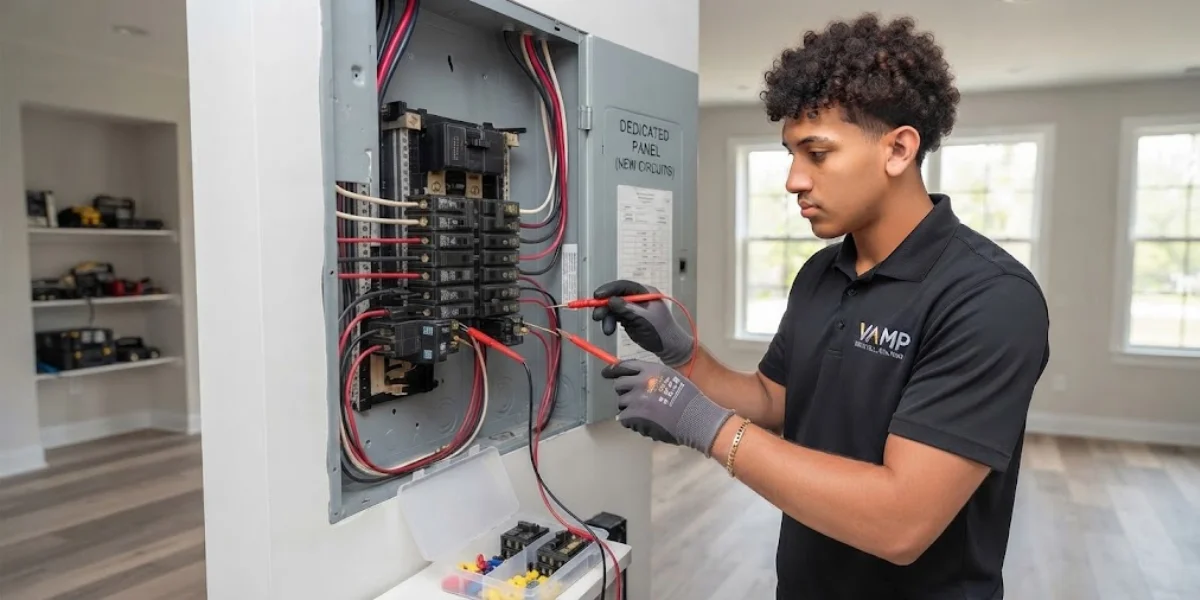
A qualified electrician generally begins by assessing the reported symptoms and the affected circuit. The condition of the panel, breaker and associated electrical installation can then be considered together.
Depending on the situation, the electrician may assess:
- The existing protective device and its condition
- The electrical panel and available configuration
- The affected circuit and connected loads
- Signs of overheating or deterioration
- Whether the breaker is appropriate for the installation
- Whether another electrical fault is causing repeated operation
If replacement is appropriate, the electrician can select a compatible component and complete the work in accordance with applicable electrical requirements.
This approach is more reliable than assuming that every faulty-looking breaker requires the same replacement.
What About Square D Breakers?
Square D breakers are one example of branded circuit protection equipment available for particular electrical systems. However, the brand name alone does not determine whether a breaker is suitable for a particular panel.
Compatibility, ratings, panel specifications and the requirements of the electrical installation all matter.
If you are unsure which breaker belongs in an existing panel, avoid purchasing a visually similar component and assuming it will work. A qualified electrician can identify the equipment, assess the electrical issue and determine the appropriate replacement.
When Is Electrical Panel Repair More Appropriate?
Sometimes the breaker is only the visible symptom of a larger electrical problem.
For example, repeated interruptions may be associated with an overloaded circuit, damaged wiring, a faulty appliance or deterioration within the panel. In such cases, simply replacing the protective device could leave the underlying issue untouched.
Electrical panel repair may therefore be more appropriate when there are signs of broader deterioration, multiple affected circuits, recurring faults or other concerns with the distribution equipment.
A professional assessment helps establish whether the job involves a component replacement or a wider electrical repair.
What About the Main Breaker?
The main breaker has a particularly important role because it controls the supply to the property’s distribution system. Work involving this part of an electrical panel carries significant risk and should not be treated as an ordinary switch replacement.
If there is a suspected issue with the main protective equipment, professional electrical assistance is the appropriate course of action.
Likewise, unusual heat, burning smells, visible damage or repeated electrical interruptions around a panel should be treated as reasons for prompt assessment rather than continued resetting.
Why Professional Assessment Matters
Electrical work is not only about replacing a component that appears faulty. The surrounding installation needs to be considered as well.
A qualified electrician can help determine whether the problem is actually the breaker, the circuit, connected equipment or another part of the installation.
This matters for both safety and reliability. A correctly selected replacement will not solve a problem if the circuit itself has an unresolved fault.
For homeowners and businesses, professional service also provides a clearer record of what was inspected, what was found and what work was completed.
Choosing the Right Solution for a Breaker Problem
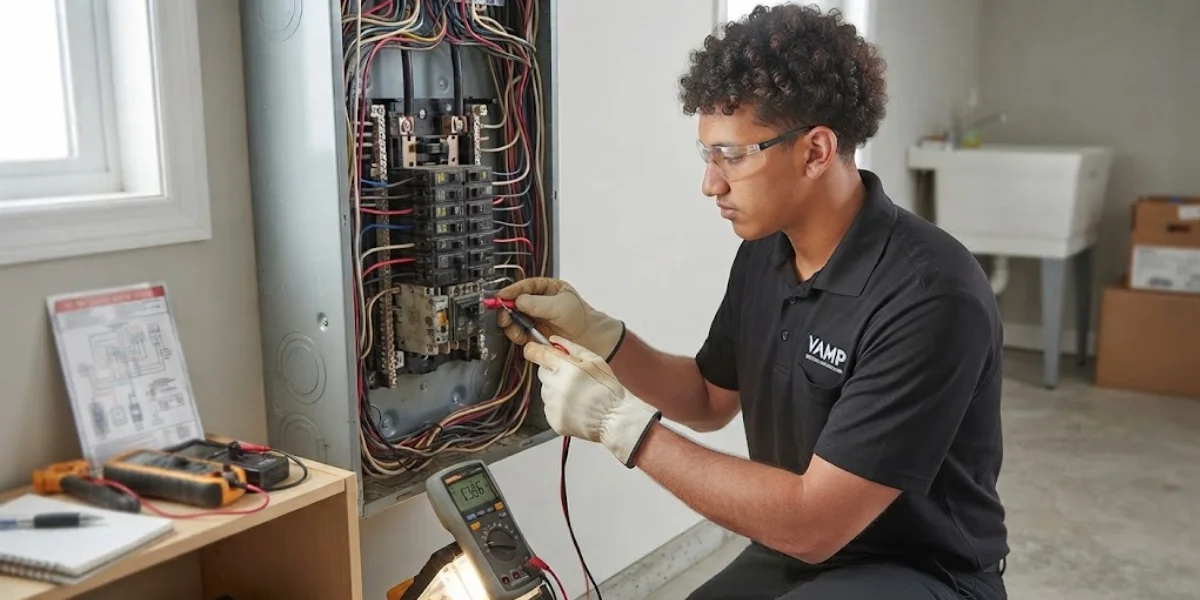
When a breaker begins causing trouble, the best solution depends on the symptoms and condition of the electrical installation.
A temporary trip after several high-load appliances operate at the same time can have a different cause from a breaker that repeatedly trips under ordinary use. Likewise, visible deterioration requires a different response from an isolated nuisance trip.
Instead of focusing only on finding a replacement part, consider the bigger question: why is the protective device operating in the first place?
That shift from replacing a component to identifying the cause can help prevent repeated electrical problems and unnecessary repair work.
When Should You Call an Electrician?
Professional assistance is recommended whenever there is uncertainty about a breaker, electrical panel or circuit.
In particular, arrange an electrical inspection if a breaker repeatedly trips, refuses to stay on, shows signs of damage or is associated with unusual heat, smells or electrical behaviour.
If the electrical system also requires broader improvements, understanding the potential home electrical upgrade cost can help with planning the work.
Avoid opening or working inside an electrical panel simply because an online guide makes the replacement process look easy. Electrical systems can contain hazardous energy even when a particular circuit appears to be switched off.
If the issue involves the main supply, damaged equipment or an electrical fault, professional attention is especially important.
Frequently Asked Questions
What does a circuit breaker do?
A circuit breaker protects an electrical circuit by interrupting the supply when an unsafe electrical condition, such as excessive current, occurs.
Does a tripped breaker always need replacing?
No. A trip can indicate that the protective device has responded to an electrical condition. Repeated trips should be investigated rather than repeatedly reset.
How do I know if a breaker is faulty?
Repeated operation, unusual physical condition or failure to operate normally can indicate a problem. A qualified electrician should assess the breaker and circuit.
Can any breaker replace an existing one?
No. Breakers must be suitable for the specific electrical panel and installation. Appearance or brand alone is not enough to establish compatibility.
What causes a breaker to keep tripping?
Possible causes include excessive electrical load, a faulty appliance, wiring problems or an issue with the protective device. The actual cause requires assessment.
Conclusion
A circuit breaker is a small component with an important safety function. When it repeatedly trips or shows signs of failure, replacing it without understanding the cause can leave a more serious electrical problem unresolved.
For Vamp Electrical Solutions, professional electrical services are available for property owners who need help with breaker problems, electrical repairs, panel issues, fault finding, installations and related electrical work in Melbourne.
If your breaker is repeatedly tripping or your electrical panel is showing signs of a problem, contact Vamp Electrical Solutions on 0420 102 214 to discuss the issue and arrange appropriate professional assistance.